Cornwall and beyond
WE BUY BRITISH WHERE WE CAN, AND A GOOD DEAL OF THAT IS CORNISH.
Where we fish
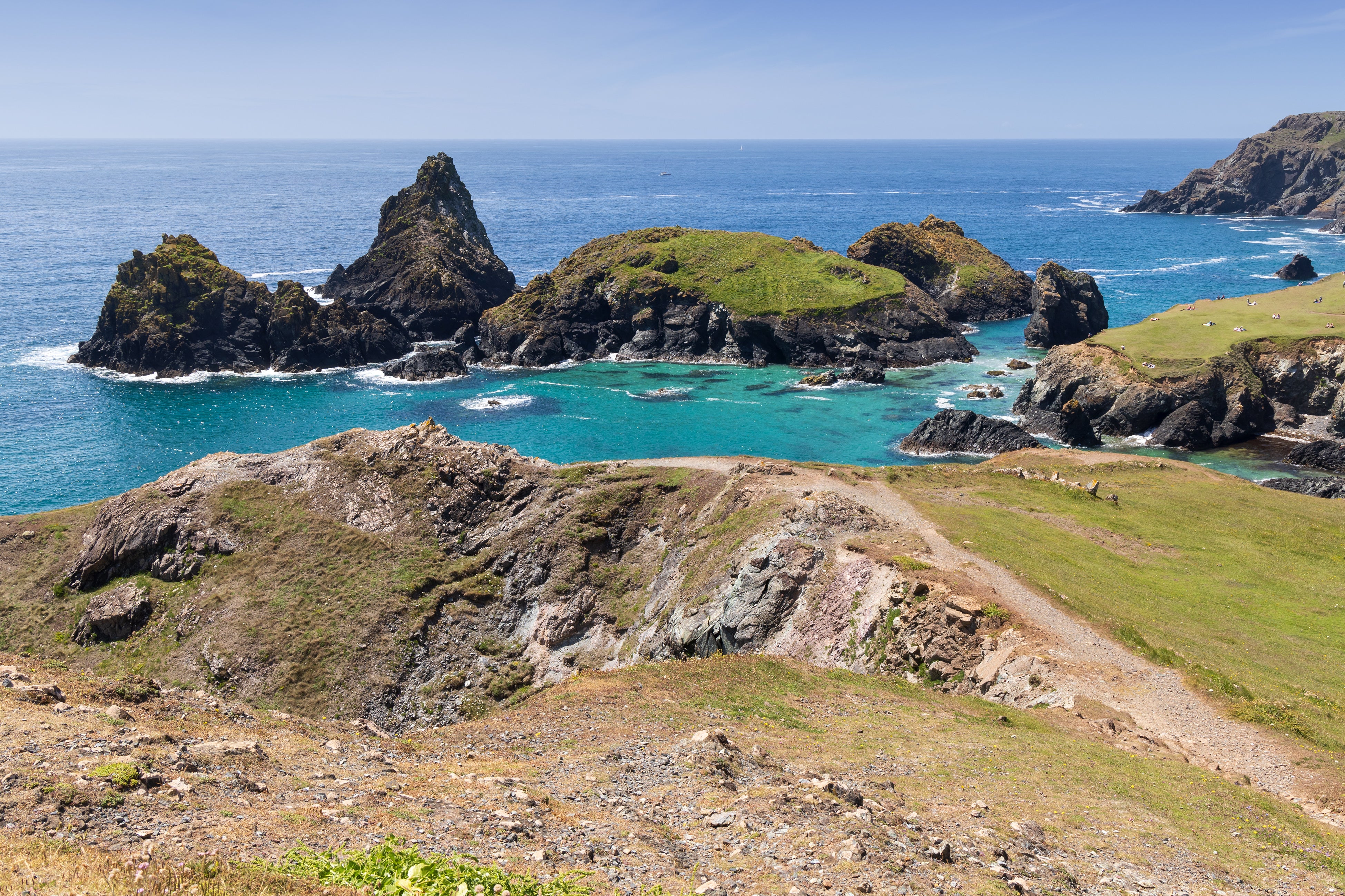
Cornwall sits where the Atlantic meets the Channel. The ground either side of the peninsula holds a wider range of species than almost anywhere else in British water: hake, monkfish, John Dory, red mullet, sardines, spider crab. It is the reason a counter in London can look different from one week to the next.
The county
Three hundred miles of coast
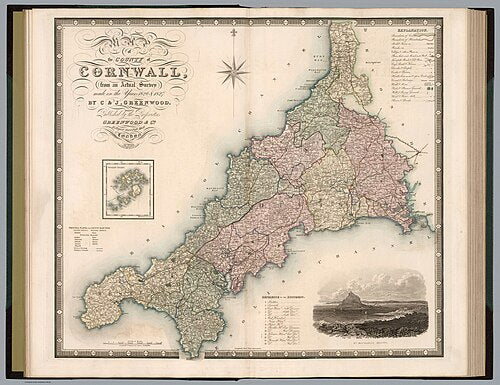
Cornwall is a narrow county with the sea on three sides, and almost every village along its coast has landed fish at one time or another. The map is from the Greenwood survey of the 1820s. The ports have changed, the coastline has not.
The ground
Two coasts, two winters
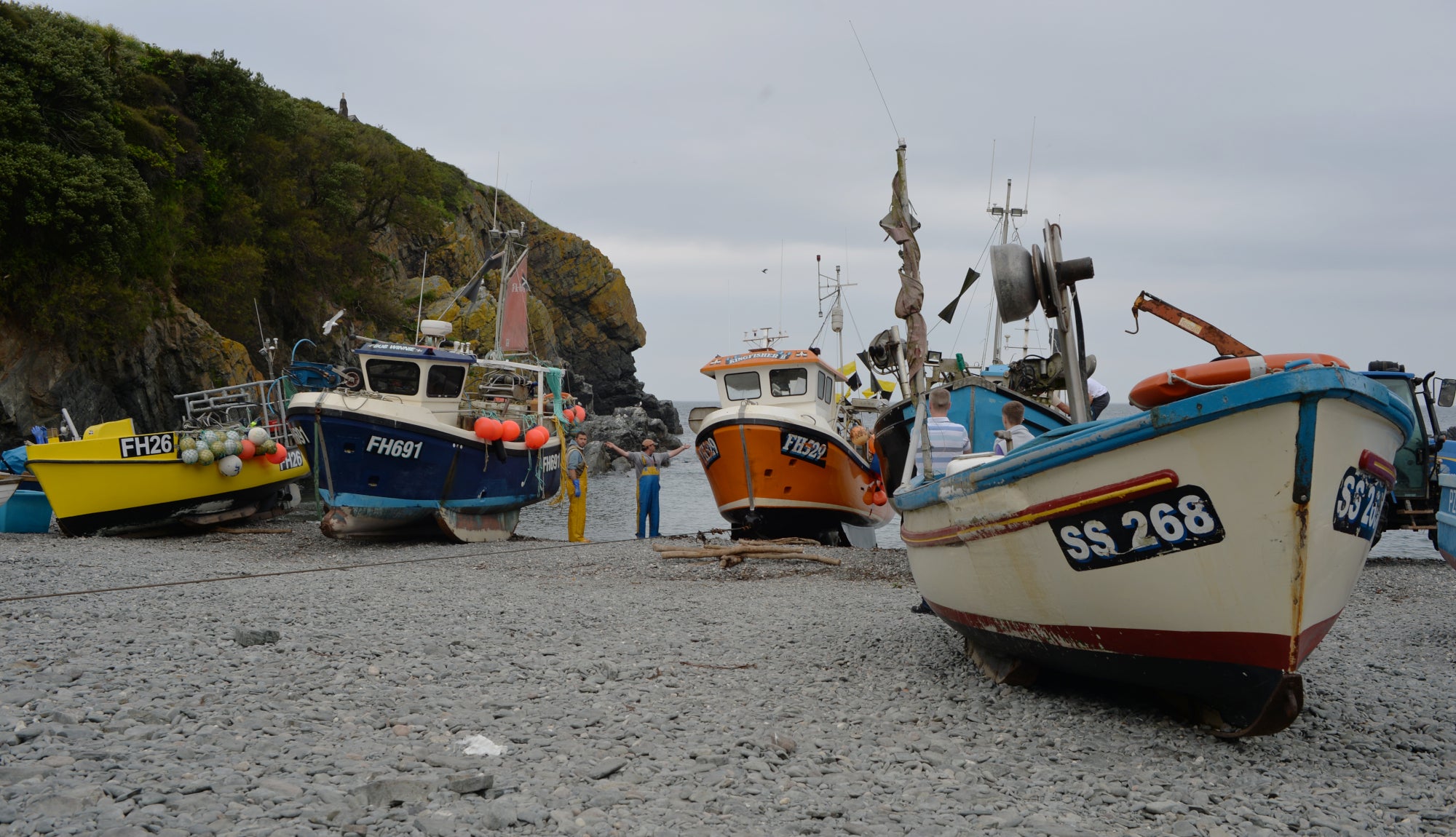
The north coast takes the Atlantic full on and is unworkable for long stretches between November and March. The south coast is more sheltered and keeps going later into the year. Same species, same peninsula, yet a completely different fish arrives at either end of it.
The distance
From the quay to Barnes
Cornwall to Barnes is a long day's driving, and over that distance temperature matters far more than speed. Fish chilled hard and stowed properly travels well. Fish that sat warm on a quay does not, and nothing further down the line will fix it.
At the counter
What arrives in Barnes
What is on the ice changes with the weather and the season, so the counter is written up each morning rather than fixed in advance. Come and look, or see what is listed today.
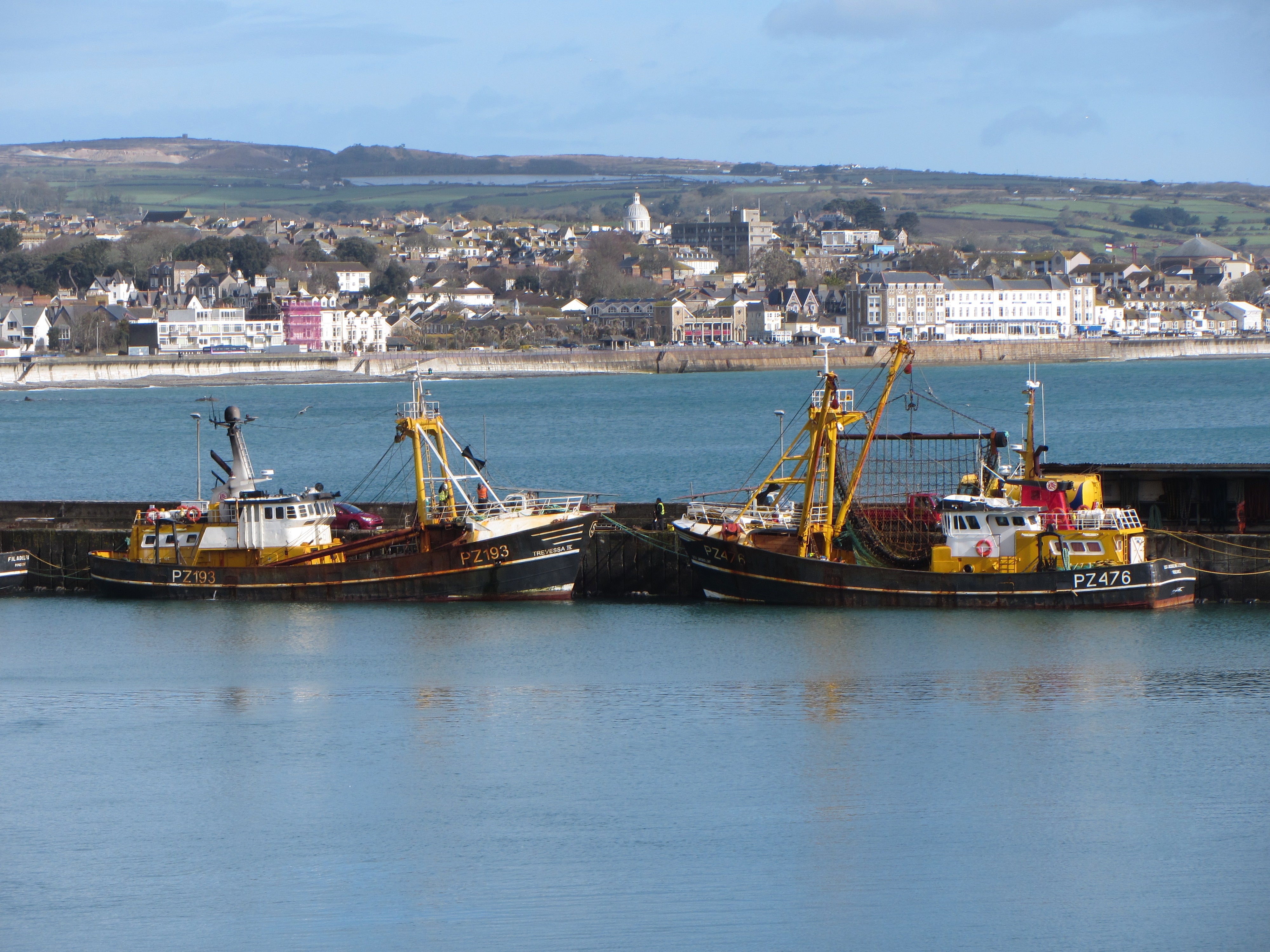
Photography: Kynance Cove by Unukorno (CC BY 4.0), Cadgwith by habiloid and Newlyn by Gareth James (CC BY-SA 2.0), via Wikimedia Commons. County map from the Greenwood survey, public domain.